Pułapka "odhaczonego" audytu. Dlaczego samo zebranie danych ze sklepu nie rozwiązuje problemów operacyjnych?
Zbieranie danych z terenu nigdy nie było prostsze. Pracownicy w sklepach, merchandiserzy i audytorzy są wyposażeni w smartfony, robią tysiące zdjęć i odhaczają cyfrowe checklisty. A jednak, mimo tej technologicznej łatwości, w wielu organizacjach problemy operacyjne pozostają nierozwiązane przez długie tygodnie.
Dlaczego? Ponieważ zbyt często skupiamy się na tym, jak ułatwić samo raportowanie, zapominając o tym, co powinno wydarzyć się później.

Wyspa danych zamiast procesu
Kiedy kierownik regionalny zauważa uszkodzony ekspozytor w sklepie i zaznacza to w mobilnym formularzu, poprawnie wykonuje swoją pracę. Problem pojawia się w momencie, gdy ten formularz trafia do obszernego arkusza kalkulacyjnego w centrali, stając się jednym z kilkuset podobnych rekordów w danym tygodniu.
Samo zrobienie zdjęcia nie naprawi usterki. Zebrana informacja zastyga na serwerze, czekając, aż ktoś ręcznie ją przetworzy, skopiuje do maila i wyśle do działu technicznego. W tym czasie sklep traci potencjał sprzedażowy, a pracownicy zmagają się z niedziałającym sprzętem.
Raport został złożony, audyt został "odhaczony", ale proces operacyjny utknął w martwym punkcie.
Wartość informacji mierzy się szybkością reakcji
Dobrze zaprojektowany system Retail Execution nie służy wyłącznie do magazynowania danych. Jego zadaniem jest skrócenie drogi od zidentyfikowania problemu w terenie do uruchomienia konkretnego działania.
Jeśli podczas obchodu pracownik zaznacza niezgodność ze standardem, system powinien automatycznie udostępnić tę informację osobie, która może podjąć decyzję. Bez dublowania pracy, bez tworzenia kolejnego obiegu wiadomości i bez czekania na zbiorcze zestawienia na koniec miesiąca.


Od informacji do działania
W cHow informacja przekazana z lokalizacji od razu staje się częścią procesu zarządzania. Zamiast budować kolejne "wyspy danych", system łączy raport z dalszymi krokami:
- Błyskawiczne kierowanie zadań: Uszkodzony sprzęt czy brak odpowiedniego oznaczenia może automatycznie wygenerować zadanie naprawcze dla serwisu technicznego.
- Wgląd w status rozwiązania: Zgłaszający wie, że jego raport nie trafił w próżnię. Osoba odpowiedzialna widzi jasny status zadania, a system pozwala zweryfikować, czy problem rzeczywiście zniknął.
- Aktualny obraz sytuacji: Managerowie zarządzający siecią widzą nie tylko to, co wydarzyło się wczoraj podczas kontroli, ale przede wszystkim to, co wymaga ich reakcji tu i teraz.
Zarządzanie operacyjne w rozproszonej sieci to nie czytanie historycznych raportów. To podejmowanie trafnych decyzji na podstawie aktualnych informacji. Bo audyt ma realną wartość dla organizacji tylko wtedy, gdy prowadzi do konkretnego działania.
Czytaj więcej Zobacz wszystkie

Miękka czy twarda franczyza? Dlaczego sam wybór modelu nie poprawi egzekucji w sklepach
"Debata o tym, który model franczyzowy jest skuteczniejszy, toczy się w branży handlowej od lat. W obliczu rosnącej presji rynkowej wiele sieci z tradycjami decyduje się na "utwardzenie" zasad współpracy. Celem jest większa spójność wizualna, ujednolicenie asortymentu i skuteczniejsza egzekucja promocji."
Przeczytaj artykuł
Opłacalność wdrożenia Retail Execution - podejście procesowe
Wdrożenie systemu Retail Execution nie zaczyna się od arkusza kalkulacyjnego ani od deklarowanych oszczędności. Punktem wyjścia jest zawsze zrozumienie realnych procesów operacyjnych – tego, jak organizacja pracuje w terenie, jak pozyskuje informacje z sieci sprzedaży i co faktycznie dzieje się z tymi danymi dalej.
Przeczytaj artykuł
Algorytmiczna iluzja obiektywizmu. O subiektywnej naturze danych.
Zaufanie do raportów rośnie zazwyczaj wprost proporcjonalnie do stopnia zaawansowania technologii, która je przetwarza. To ciekawa zależność, niosąca jednak pewne ryzyko. Skupienie na możliwościach analitycznych systemów może przesłonić naturę samych danych. Zanim przybiorą one formę cyfrowego wykresu, stanowią najczęściej zapis ludzkiej interpretacji zdarzeń. Trudno zatem zakładać ich całkowitą neutralność.
Przeczytaj artykuł
Raportowanie: kontrola czy wsparcie
Rozmaite systemy i kolejne aplikacje pojawiają się w firmach regularnie. Jedne wdrożenia przechodzą niemal bez echa – po prostu trzeba się przyzwyczaić do czegoś nowego – inne budzą wiele emocji. Do tych podgrzewających atmosferę należą często aplikacje służące do raportowania bieżących zdarzeń.
Przeczytaj artykuł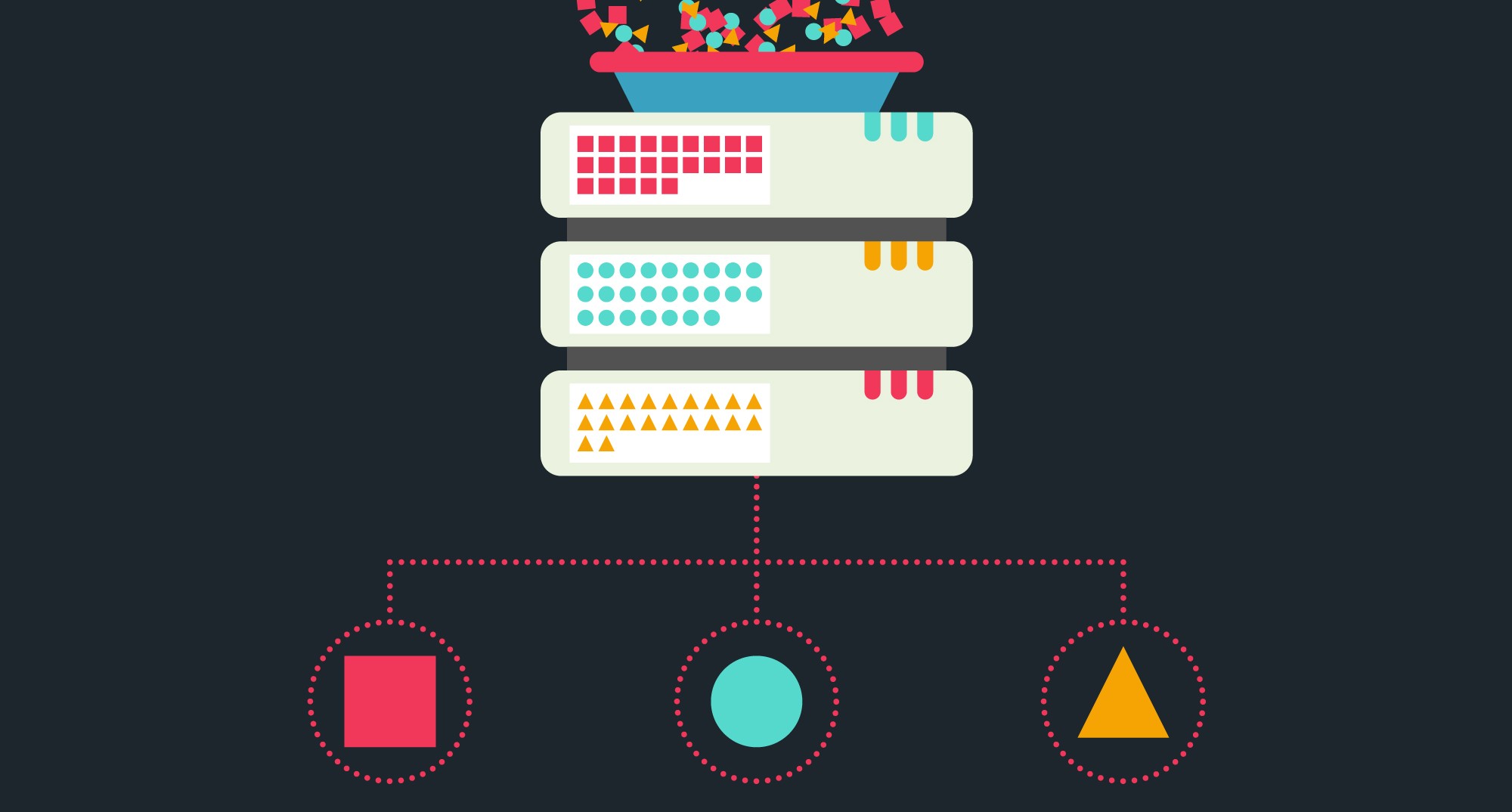
Kategorie pytań – jeszcze wygodniejsza analiza danych
Kiedy zarządzasz wieloma lokalizacjami, raport z kontroli powinien odpowiadać na proste pytania: co działa, co wymaga poprawy i gdzie dokładnie leży problem.
Przeczytaj artykuł
Zadania koszykowe – jak cHow zmienia sposób działania po audycie?
Audyt i kontrola to jedno, ale co dzieje się dalej? Często napotyka się na chaos: jedna wiadomość, Excel, później kto i kiedy miał coś poprawić. W takich sytuacjach sprawdza się mechanizm zadań koszykowych, który pozwala przenieść efektywność z etapu wykrywania problemu do jego rozwiązania.
Przeczytaj artykuł
cHow dla działów BHP
W dużych zakładach produkcyjnych czy centrach dystrybucyjnych każdy dzień to setki decyzji i obserwacji, z których wiele nigdy nie trafia do systemu – bo nie ma kiedy, gdzie, jak. Tymczasem skuteczne BHP nie opiera się wyłącznie na procedurach. Opiera się na tym, co rzeczywiście wiemy i co zrobimy z tą wiedzą.
Przeczytaj artykuł
Obserwować. Dokumentować. Reagować.
Zastosowanie cHow w agencjach ochrony. W pracy agencji ochrony wiele dzieje się poza zasięgiem wzroku. Fizyczna obecność w terenie nie zawsze idzie w parze z możliwością stałego nadzoru – szczególnie gdy zespoły patrolowe, techniczne i administracyjne działają równolegle na wielu obiektach.
Przeczytaj artykuł
cHow pomaga zapobiegać wypadkom
Zapewnij bezpieczne miejsce pracy z modułem BHP systemu cHow – narzędziem, które usprawnia zgłaszanie zagrożeń, przyspiesza reakcję na incydenty i pomaga budować kulturę bezpieczeństwa w twojej firmie.
Przeczytaj artykuł
Dane przystępnie podane
Generujemy dane z prędkością nie do wyobrażenia jeszcze kilka lat temu! Dla przedsiębiorstw kluczowe nie jest już ich zbieranie, ale błyskawiczne i skuteczne przetwarzanie. Zdolność do transformacji surowych danych w użyteczne informacje decyzyjne bezpośrednio przekłada się na efektywność działań organizacji.
Przeczytaj artykuł
Umiędzynarodowienie komunikacji - nowe wyzwanie nie tylko dla gigantów
W dzisiejszym zglobalizowanym świecie, skuteczna komunikacja w wielu językach staje się wyzwaniem nie tylko dla międzynarodowych korporacji, ale także dla firm działających lokalnie. Według danych Głównego Urzędu Statystycznego (GUS), na koniec maja 2024 roku w Polsce pracowało ponad 1,02 mln cudzoziemców, co stanowiło 6,7% ogółu zatrudnionych. Często zakłada się, że język angielski wystarczy w międzynarodowej komunikacji, jednak w praktyce, szczególnie w obszarach takich jak handel detaliczny czy usługi, znajomość lokalnego języka jest niezbędna.
Przeczytaj artykuł
Od "tak mi się wydaje" do "wiem"
Na jednym krańcu procesu - setki, tysiące drobnych informacji. Na drugim jego krańcu - decyzje, które niejednokrotnie są dla organizacji kluczowe. Niedobrze, gdy między tymi punktami brak wyraźnego związku, ale niestety tak bywa.
Przeczytaj artykuł
Kim naprawdę jest ten, który umie, zna i ma kontakty?
"Cieszę się, że mogłem go poznać i wspólnie optymalizować pracę swoją i mojego zespołu audytorów terenowych" - napisał Starszy Audytor Wewnętrzny jednego z największych dystrybutorów FMCG. O kim? O aplikacji cHow we własnej osobie!
Przeczytaj artykuł
Decyzja o wdrożeniu systemu = euforia?
Decyzja o wdrożeniu systemu to wbrew pozorom nie dla każdego Klienta moment euforii. U niektórych powoduje raczej powstanie atmosfery sceptycznego zdystansowania.
Przeczytaj artykuł
"Zdrowy Sklep" - zarządzanie siecią sprzedaży w pandemii
Dostosuj swoją sieć do nowej rzeczywistości i bądź gotowy na kolejne zmiany! Buduj z cHow "zdrowe sklepy" - sklepy, w których zarówno pracownicy jak i klienci będą czuli się bezpiecznie.
Przeczytaj artykuł
"Zarządzanie rozproszonym zespołem nie należy do łatwych zadań"
Tracisz godziny na poszukiwanie informacji w mailach i tabelach, aby zorientować się, jaka jest sytuacja w sieci sprzedaży. Po żmudnym procesie poszukiwań często okazuje się, że kluczowe z twojego punktu widzenia dane są niedostępne lub błędnie skategoryzowane.
Przeczytaj artykuł
"Raportuj zwinnie - decyduj bez zgadywania"
O tym, jak realizację tego zadania uprościć oraz na czym dokładnie polega wyzwanie, rozmawialiśmy z Dyrektorem Operacyjnym Monnari Trade, panem Piotrem Olczykiem.
Przeczytaj artykułKontakt

Zobacz demo

cHow
Królewska 2/2, 30-045 Kraków
Zaufali nam